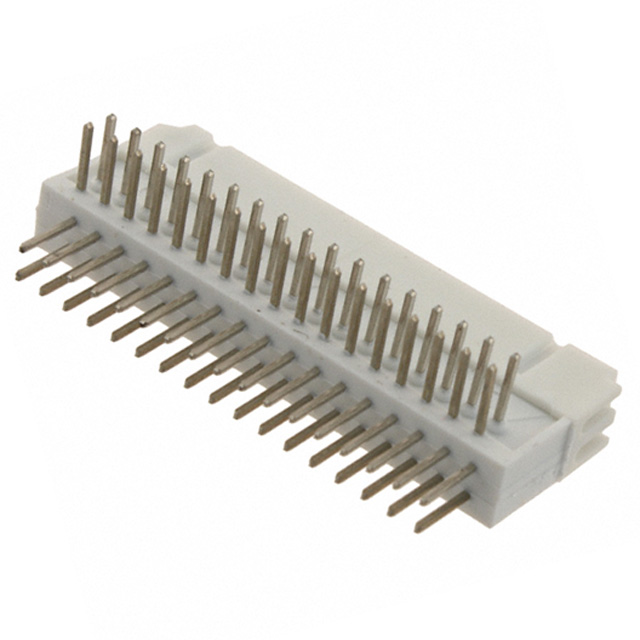
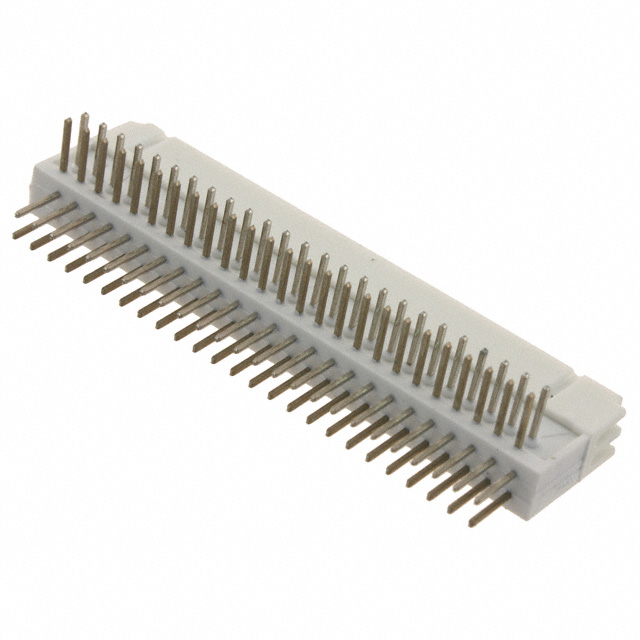
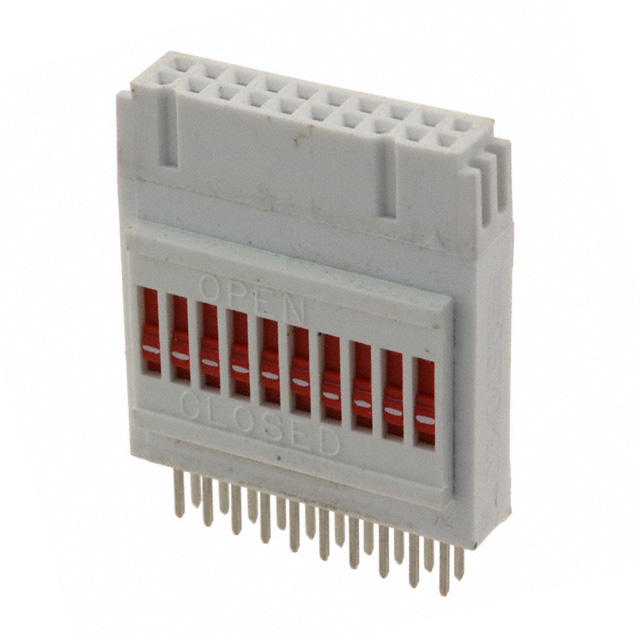
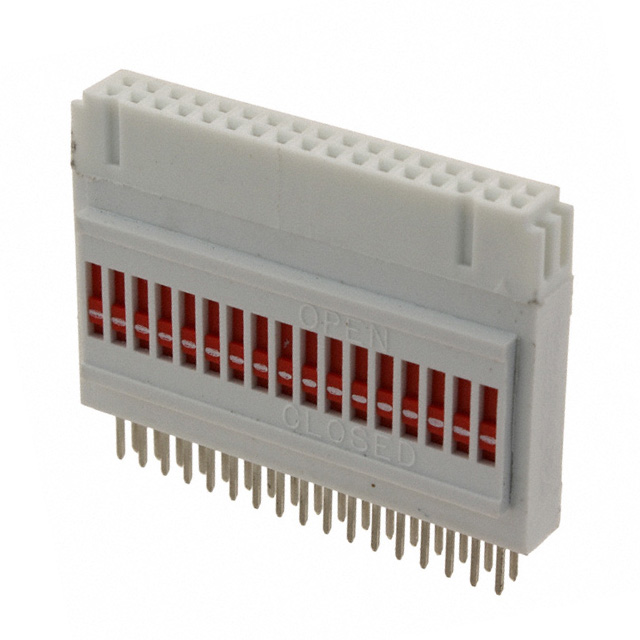
Company 3M (3M) Overview:
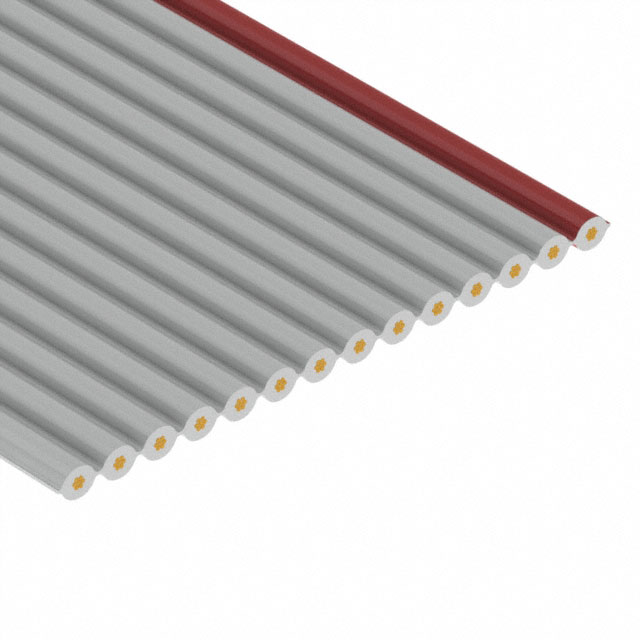
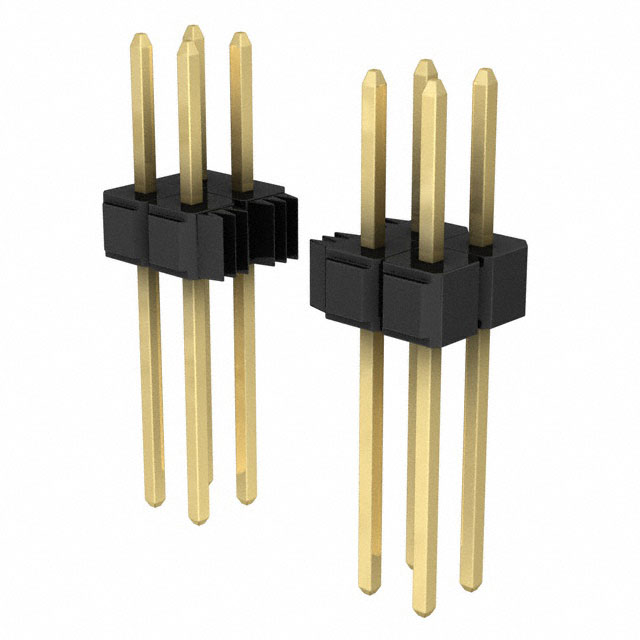
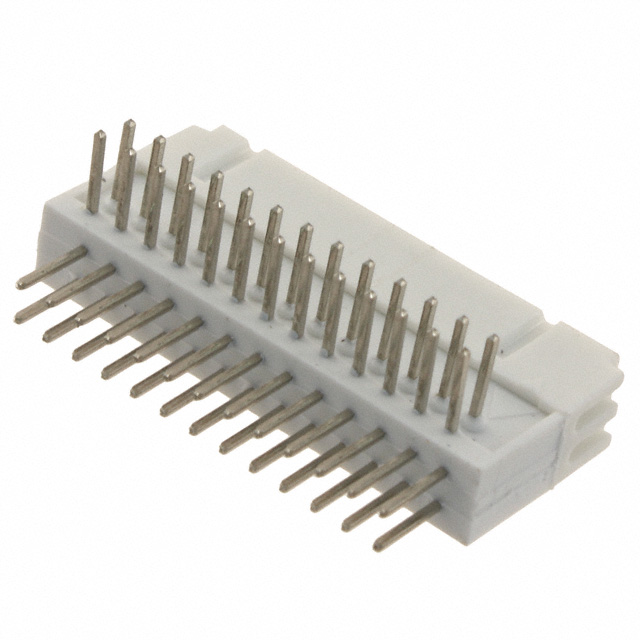
3M offers innovative solutions to the electronics industry and is a leading manufacturer of interconnect solutions for board-to-board, wire-to-board, backplane and input/output (I/O) applications. These include 3M™ Wiremount Insulation Displacement Contact (IDC) Connectors, Mini Delta Ribbon (MDR) I/O System, Mini-Clamp Discrete Wire System, MetPak™ High Speed Hard Metric (HSHM) and the new Ultra Hard Metric (UHM) Backplane Connectors. Using industry leading capabilities in CAD - such as NX™ and SLA modeling - 3M's experienced engineers turn ideas into real world solutions.3M offers solutions for printed circuit board fabrication, board assembly and test, such as adhesives and tapes, embedded capacitor materials, Textool™ Test and Burn-in Sockets, carrier and cover tapes and trays, flexible circuits, and products for reducing electrostatic discharge. 3M also offers solutions for shielding from EMI/RFI, for thermal management and vibration damping, as well as for packaging and labeling.
3M
Extremely fast response to your needs
Save you time, money, and trouble
We treat each other sincerely, long-term cooperation, Jiquan Electronics only focuses on 3M (3M) Component spot channels
3M Information >>
A Comprehensive Guide to Electronic Components: From Basics to Advanced
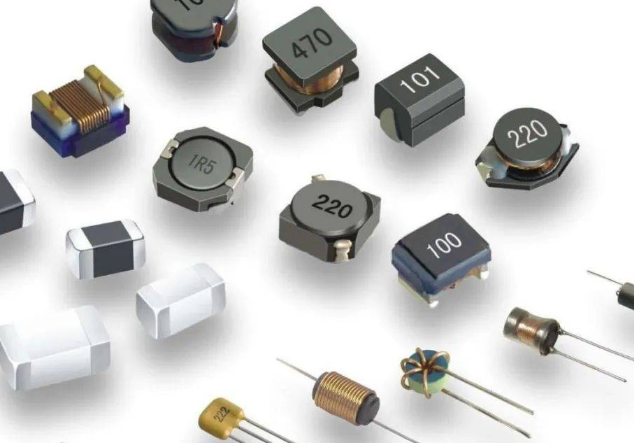
In the rapid development of modern electronic technology, electronic components play a crucial role as the core parts of electronic devices. From simple resistors and capacitors to complex integrated circuits and sensors, there is a vast array of electronic components with diverse functions. This article will provide an in-depth introduction to the main categories of electronic components and their applications, helping you better understand this field. I. Basic Electronic Components Resistors Function: Limit the flow of current, converting electrical energy into heat. Applications: Widely used in voltage division, current limiting, signal attenuation, etc. Common Types: Carbon film resistors, metal film resistors, wire-wound resistors, etc. Capacitors Function: Store electrical energy, block DC, and pass AC. Applications: Filtering, coupling, bypassing, energy storage, etc. Common Types: Ceramic capacitors, electrolytic capacitors, film capacitors, etc. Inductors Function: Store magnetic energy, resisting changes in current. Applications: Filtering, oscillation, energy storage, etc. Common Types: Air-core inductors, ferrite-core inductors, high-frequency inductors, etc. Diodes Function: Allow current to flow in one direction only, used for rectification, voltage regulation, and switching. Applications: Power supply rectification, signal processing, circuit protection, etc. Common Types: Rectifier diodes, Zener diodes, light-emitting diodes (LEDs), etc. Transistors Function: Amplify signals, control switching. Applications: Amplifier circuits, switch circuits, driver circuits, etc. Common Types: NPN, PNP, MOSFETs (Metal-Oxide-Semiconductor Field-Effect Transistors), etc. II. Passive Electronic Components Connectors Function: Connect electrical signals between circuit boards and devices. Applications: Computers, communication equipment, automotive electronics, etc. Common Types: USB connectors, HDMI connectors, RJ45 connectors, etc. Relays Function: Control high currents with low currents. Applications: Automation control, automotive electronics, home appliance control, etc. Common Types: Electromagnetic relays, solid-state relays, etc. Transformers Function: Change the magnitude of voltage and current, provide electrical isolation. Applications: Power adapters, power transmission, audio equipment, etc. Common Types: Power transformers, audio transformers, isolation transformers, etc. III. Active Electronic Components Integrated Circuits (ICs) Function: Integrate multiple electronic components onto a single semiconductor chip to achieve complex functions. Applications: Computer processors, memory, communication chips, sensors, etc. Common Types: Microprocessors (CPUs), graphics processors (GPUs), memory chips (RAM, ROM), Application-Specific Integrated Circuits (ASICs), etc. Sensors Function: Detect physical quantities (such as temperature, pressure, light intensity) and convert them into electrical signals. Applications: Smart homes, industrial automation, medical devices, automotive electronics, etc. Common Types: Temperature sensors, pressure sensors, photodetectors, accelerometers, etc. Microcontrollers (MCUs) Function: Small computers that integrate a processor, memory, and input/output interfaces. Applications: Embedded systems, IoT devices, home appliance control, etc. Common Types: ARM Cortex-M series, AVR series, PIC series, etc. IV. Emerging Electronic Components Flexible Electronics Function: Bendable and foldable, adaptable to complex shapes. Applications: Wearable devices, flexible displays, smart packaging, etc. Common Types: Flexible printed circuit boards, flexible sensors, flexible displays, etc. Quantum Components Function: Utilize quantum mechanics principles to achieve ultra-high-speed computing and communication. Applications: Quantum computers, quantum communication, quantum sensors, etc. Common Types: Quantum bits (qubits), quantum chips, etc. Bioelectronics Function: Combine biology and electronics to detect and process biological signals. Applications: Medical diagnostics, biosensors, brain-computer interfaces, etc. Common Types: Biosensors, biochips, neural electrodes, etc. Conclusion Electronic components are the cornerstone of modern electronic technology. From basic resistors and capacitors to advanced integrated circuits and quantum components, they play an indispensable role in various fields. With the continuous advancement of technology, the types and functions of electronic components are constantly expanding and improving. Understanding these categories and applications of electronic components not only helps electronic engineers better design and develop products but also enables ordinary users to better understand the internal structure and working principles of electronic devices. In the future, as emerging technologies continue to develop, the field of electronic components will also see more innovation and breakthroughs. Let's stay tuned!
3M Technical Literature >>
Main Application Fields of the ISO1050DUBR Driver
The ISO1050DUBR, a high-performance isolated CAN transceiver integrated circuit launched by Texas Instruments (TI), has found widespread application across multiple industries due to its impressive performance parameters and extensive functionalities. Designed specifically to tackle challenges in harsh industrial environments, this driver integrates various protection mechanisms to ensure reliable operation under extreme conditions. In the field of industrial automation, the ISO1050DUBR plays a crucial role. Within industrial control systems, it achieves isolation between digital and analog signals, effectively protecting the system from electrical interference and damage, thereby enhancing system reliability and stability. This isolation function is vital for preventing noise currents on the data bus or other circuits from entering the local ground and interfering with or damaging sensitive circuits. Therefore, the ISO1050DUBR has become an indispensable component in industrial automation. The ISO1050DUBR also excels in the field of power electronics. In various power electronic devices, it can be used not only for isolating control signals but also for isolating power devices from control circuits, thus protecting electronic equipment and improving system efficiency. With an electrical isolation capability of up to 2500VRMS, as well as protection functions against overvoltage, overcurrent, and overheating, the ISO1050DUBR effectively safeguards connected equipment from high-voltage surges. The electric vehicle sector is another significant application area for the ISO1050DUBR. In the electric drive systems of electric vehicles, it can be used to isolate communication signals between motor control signals and battery management systems, ensuring safety and reliability among subsystems. This is crucial for enhancing the overall performance and safety of electric vehicles. Furthermore, the ISO1050DUBR is widely used in digital communication systems within power systems, such as serial bus communication, data acquisition, and control signal isolation. Its compliance with ISO 11898-2 standards and support for CAN bus transmission rates of up to 1Mbps make it highly efficient and reliable for applications in power systems. In the field of instrumentation, the ISO1050DUBR also plays an important role. In measurement and control systems of various instruments, it can be used to isolate sensor signals, control signals, and data communication signals, ensuring the accuracy and stability of measurements and controls. This is significant for improving the performance and reliability of instrumentation. In addition to the above fields, the ISO1050DUBR is also applied in numerous other sectors, including medical equipment, building and HVAC (Heating, Ventilation, and Air Conditioning) automation, security systems, transportation, and telecommunications. Its outstanding performance parameters and extensive protection functions make it a leader in CAN bus communication systems in these fields. Overall, with its high performance, high isolation capabilities, and comprehensive protection functions, the ISO1050DUBR has found wide application in industrial automation, power electronics, electric vehicles, power systems, instrumentation, medical equipment, and more. Its emergence has not only improved system performance and reliability in these fields but has also injected new vitality into the development of related industries. As technology continues to advance and application fields expand, the ISO1050DUBR is expected to play an even greater role in more sectors.